Description
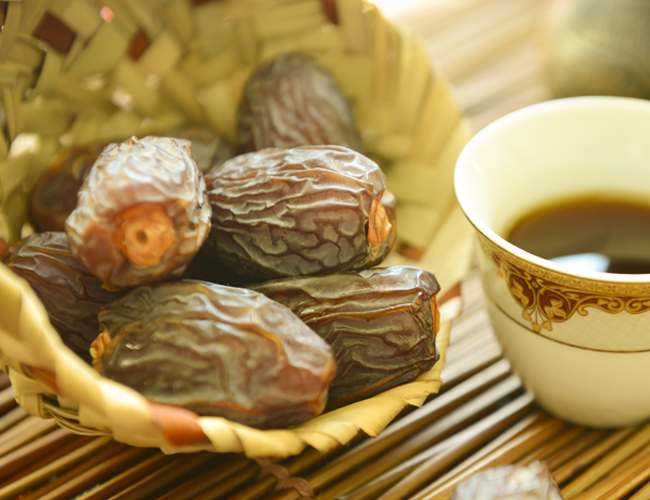
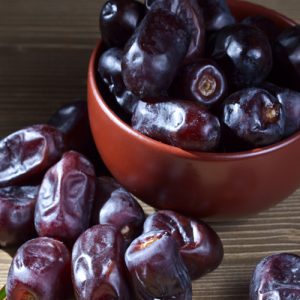
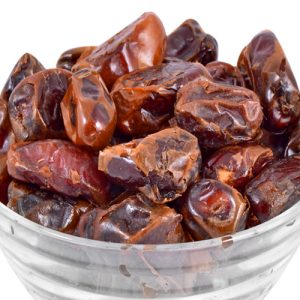
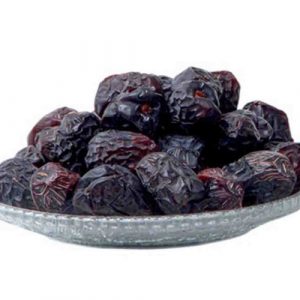
Medjool dates are enjoyed mainly for their natural sugariness. They’re larger, darker, and more candy like in taste than other types of dates. As tropical stone fruits, they have a single pit bounded by the flesh.
Indigenous to Morocco, these dates are now grown in warm regions of the United States, the Middle East, Africa and South Asia.
They’re often found to sell dried out, soft and sticky. Their sugars become more intense as they dried out. Here there are more to know in regard to the the nutritional content, benefits, and uses of Medjool dates.
Nutritional content
- Calories:133
- Carbs: 36 gm
- Fiber: 3.2 gm
- Protein: 0.8 gm
- Sugar: 32 gm
- Fat: 0 grams
- Calcium: 2% of the Daily Value (DV)
- Iron: 2% of the DV
- Potassium: 7% of the DV
- Copper: 19% of the DV
- Vitamin B6: 7% of the DV
- Magnesium: 6% of the DV
Dates offer a significant amount of fiber and variety of vitamins and minerals, including iron, potassium, B vitamins, copper, and the magnesium. Compared to other common varieties, Medjool dates are the most trusted sources of calcium.
How to add Medjool dates to your diet
Medjool dates are most often found at the grocery stores. They’re often sold along with other foods, mainly dry or raw. The pits of the Medjool are needed to be removed before consumption by opening it lengthwise and pulling it out.
These dried fruits make a great sugar alternative due to their sweetness, which comes from fructose, a natural sugar. In order to replace Medjool dates for sugar in Dates factory generally prepare a paste of date by blending 450 grams of pitted dates with 300 ml water, then use date paste instead of water at the ratio of 1:1.
More is that you can add peanut butter, cheese, nuts to raw Medjool dates and store the dates in a cool, dry place like a pantry or your refrigerator. Finally, it needs to be a sealed in a container to preserve the moisture.